How to build a permanent dock on a lake that freezes
When my family first built on a lake I was excited to build a permanent dock. Not just because it would be great when we had guests over but because of the peace of mind knowing I could jump in any time and cruise across the lake. We all know that owning a fixer-upper comes with surprises everywhere. Of course, building a dock such as this takes some planning and I found out the hard way, but nothing worth doing is easy and the end result is worth every step along the way.
Permafrost is a problem that comes up every year around this time. More people will be swimming in their lakes this summer, as the water in them begins to warm up. While the idea of a permanent dock seems fantastic, it’s not always welcome. The main issue with a permafrost dock is that, even after being built and installed in the fall of one year, by the next summer it’s likely to be frozen again. This post takes you through the process of building and installing your own permafrost dock, presenting some helpful tips along the way.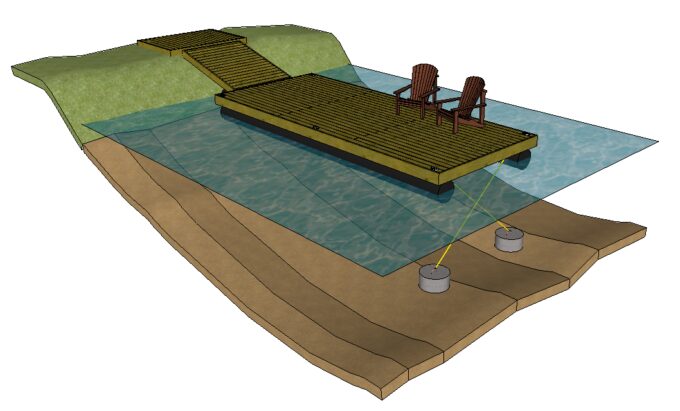
How to build a permanent dock on a lake that freezes
A permanent dock on a lake that freezes can be one of the most expensive structures you will ever build. The cost of building a dock on a lake depends on the size and type of lake, but it can easily exceed $100,000.
A permanent dock on a river is also very expensive, with some costing as much as $200,000 or more. Building docks on rivers can be difficult because many rivers freeze over each winter and it can be difficult to get equipment into position to build them in the winter months.
You can reduce the cost of building a dock by purchasing pre-fabricated parts instead of having them built by hand. This will cut down on labor costs, but it will also mean that you don’t get as much customization as you would if you had them built from scratch by a professional contractor.
You should also consider whether or not your lake freezes over every year when deciding what type of dock to build and how much money you want to spend on it. If your lake only freezes over once every few years, then building an aluminum dock may be unnecessary because it will take up space for most years without providing any benefit.
The best way to build a permanent dock on a lake that freezes is to use pilings. The cost of building a dock on a lake varies depending on the size and number of pilings required.
A floating dock is also an option, but it has many disadvantages with respect to durability and safety. Floating docks can break loose during storms or as a result of freezing weather conditions and end up in the middle of the lake or river.
The cost of building a dock on a river varies depending on whether you build it yourself or hire professional contractors to design and build it for you. Generally speaking, it’s more affordable to hire contractors than to do it yourself because they have the necessary tools and expertise needed for this type of project.
Docks are designed primarily for recreational purposes, so if your purpose for building one is commercial — such as providing access to private property from the water — then you’ll need permission from local authorities before proceeding with construction.
Build it on shore
This is the easiest way to build a dock. Once you’ve set up your dock, place the posts on shore and fill them with rocks or concrete. You can also use concrete blocks if you don’t want to put in as much work. The downside is that this type of dock will be vulnerable in winter, so you may need to remove it during freezing temperatures. However, if you live in an area where there’s little chance of substantial snowfall, this might be the best option for you.
Build it in water
If you want your dock to be permanent and secure from ice damage, building it in water is the best way to go. Simply dig into shallow water until the footing becomes solid enough for your posts and beams, then install them as normal. This method can be expensive if you need a lot of materials or if you need help installing them, but it can provide years of enjoyment without needing any maintenance or repairs
If you want to keep your dock in place year-round, you’ll need to build it with winter in mind.
Water can freeze and expand, which can cause damage to docks. If your dock is made of wood or other materials that are not designed for outdoor use, you may have to remove them during the winter months. There are several different types of docks that are more suitable for permanent placement.
You can choose from many different types of docks including aluminum, vinyl and wood. Each material has its own advantages and disadvantages but they all have one thing in common – they must be removed from the water when temperatures drop below freezing.
If you’re planning on keeping your dock on the water overnight, consider using an icebreaker kit and adding some type of antifreeze solution to help prevent damage from freezing water.
Here are some tips for building a permanent dock on a lake:
Use galvanized steel or aluminum rather than wooden materials like cedar or pine if possible because these will last longer outdoors without rotting away over time;
Make sure your dock is properly anchored so that it doesn’t move around too much when waves hit it during storms;
Add 1/4 inch plywood sheets under each board as extra protection against water damage;
Building a permanent dock is an excellent way to increase the value of your property and provide you with a place to relax in the summer months. While many people think of docks as only being used by boaters, they can also be used by swimmers, fishermen and even people who just want to sit on them and enjoy the scenery.
Building a dock on a lake that freezes can be a tricky process, but it can also be done if you take the right precautions. The most important thing to remember when building a permanent dock is that it must be built with materials that will not break down under freezing temperatures.

Costs for Building Docks
If you are going to build your own permanent dock, then the first thing you need to do is determine how much money you have available for this project. There are several different ways that you can go about doing this:
The first option is to use voluntary labor from family members or friends who would like to help out with your project. This will save money because they won’t need as much training or supervision as paid workers would need.
The second option is hiring local contractors who specialize in building docks on lakes that freeze over during winter months. This option costs more than using volunteers